
Real Madrid and Al-Hilal faced off in one of the most anticipated matches of the FIFA Club World Cup group stage. The fixture, played at Hard Rock Stadium in Miami Gardens, brought together two of the most decorated clubs in their respective continents. It was also a rematch of the dramatic 2022 Club World Cup final, when Real Madrid edged past Al-Hilal 5-3 in a thrilling encounter in Morocco. This time, both sides walked into the match under new leadership, making the lineups even more interesting to break down.
A New Era for Both Clubs
This was a special night for both managers. Xabi Alonso took charge of Real Madrid for the very first time, stepping into one of the most demanding jobs in world football. On the other side, Simone Inzaghi led Al-Hilal in his own debut, having moved to Saudi Arabia after guiding Inter Milan to two Champions League finals in the previous three seasons. With both coaches eager to make a strong first impression, the starting lineups carried extra significance.
Real Madrid’s Starting XI
Xabi Alonso opted for a 4-3-3 formation, a system that has become closely associated with his coaching philosophy. Thibaut Courtois started in goal, continuing his role as the experienced last line of defense for the Spanish giants.
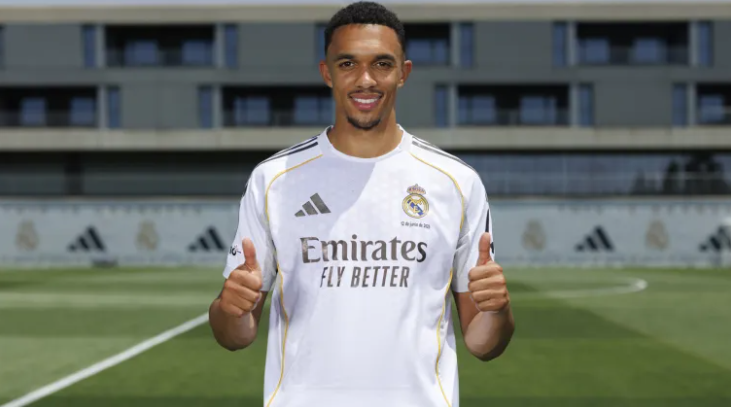
In defense, two of Real Madrid’s high-profile summer signings made their debuts. Trent Alexander-Arnold, who arrived from Liverpool, lined up at right-back, while Dean Huijsen took his place in central defense. They were joined by Raúl Asencio and Fran García, completing a backline built around fresh faces and proven quality.
The midfield three featured Federico Valverde and Jude Bellingham operating as the interior midfielders, with Aurélien Tchouaméni anchoring the unit as the deeper pivot. This trio gave Real Madrid both defensive stability and creative energy through the middle of the pitch.
Up front, the attack was led by Vinícius Júnior and Rodrygo on the wings, both known for their pace and direct dribbling. Kylian Mbappé, one of the club’s other major arrivals, missed out due to illness. In his absence, young striker Gonzalo García was given the opportunity to start at center-forward, a notable vote of confidence from the new manager.
Among the substitutes named by Alonso were veteran midfielder Luka Modrić, winger Arda Güler, and Brahim Díaz, giving Real Madrid plenty of attacking options to call upon from the bench.
Al-Hilal’s Starting XI
Al-Hilal lined up in a 4-2-3-1 formation under Inzaghi. Moroccan international Yassine Bounou started between the posts, bringing experience gained from his time in European football.
The back line featured João Cancelo, who has become one of the club’s most recognizable names following his move from European football, alongside Hassan Al Tambakti and the experienced Kalidou Koulibaly at center-back. Renan Lodi completed the defensive unit at left-back.
In midfield, Rúben Neves and Nasser Al Dawsari were given the responsibility of controlling the tempo of the game, a duo that combines European pedigree with homegrown Saudi talent. Just ahead of them, an attacking trio of Malcom, Sergej Milinković-Savić, and Salem Al-Dawsari supported the team’s lone striker, Marcos Leonardo, who led the line for Al-Hilal.
This lineup reflected Al-Hilal’s broader strategy in recent years: blending major international signings with experienced Saudi Pro League players to build a squad capable of competing with Europe’s elite clubs on the global stage.
The Bigger Picture
Beyond the individual matchups, this fixture carried significant weight for both clubs. For Real Madrid, it marked the beginning of their pursuit of a record-extending sixth Club World Cup title, and the first real test of how Alonso’s tactical approach would translate after replacing Carlo Ancelotti. The decision to debut both Alexander-Arnold and Huijsen immediately signaled the manager’s intention to build his team around his new signings from the very start.
For Al-Hilal, the match offered a chance to prove that their recent run of high-profile signings could translate into real competitiveness against one of the most successful clubs in football history. Facing Real Madrid in their tournament opener, rather than easing into the competition against a lesser opponent, was always going to be a significant early test for Inzaghi’s new project.
Why Lineups Matter
Lineup decisions in matches like this often reveal far more than just who is playing where. They show how a new manager intends to build trust with certain players, how injuries and fitness issues shape decision-making, and how a club balances experience with fresh talent. Mbappé’s absence due to illness, for example, opened the door for Gonzalo García to make an instant impression, while the decision to start two new defensive signings together showed Alonso’s willingness to commit fully to his vision from day one.
Similarly, Al-Hilal’s choice to rely on a mix of established internationals and Saudi-developed players reflected the club’s long-term project of growing as a competitive force on the global football stage, rather than relying purely on star power.
Conclusion
The Real Madrid vs Al-Hilal lineup battle was about more than just eleven names on a sheet of paper for each side. It represented the opening chapter of two new managerial eras, the debut of marquee summer signings, and a rematch of one of the most memorable Club World Cup finals in recent memory. Whether through Real Madrid’s blend of youth and experience or Al-Hilal’s ambitious mix of global talent, both lineups told a story about where each club hopes to go next on the world football stage.
